Tree Pruning Cost: Factors to Consider
Tree pruning is an essential part of tree care that helps maintain their health, shape, and overall appearance. However, before embarking on a tree pruning project, it is crucial to consider several factors that can affect the cost and outcome of the job. By understanding these factors, homeowners can make informed decisions and ensure that their trees receive the care they need without breaking the bank.
Understanding Tree Pruning
Before breaking down the tree pruning cost let’s undestand tree pruning deeply. Tree pruning is the practice of selectively removing specific branches or parts of a tree to enhance its structure and health. This process involves the proper removal of dead, diseased, or damaged branches, as well as those that may pose a safety hazard to people or nearby structures. Additionally, pruning helps shape trees, promotes new growth, and encourages optimal fruit or flower production.
Tree pruning is not only beneficial for the tree itself but also for the surrounding environment. By maintaining a tree’s health and structure through pruning, you are contributing to the overall aesthetics of your landscape. Well-pruned trees can enhance the beauty of your property and increase its value. Moreover, properly pruned trees are less likely to cause issues such as overhanging branches obstructing walkways or power lines, making your outdoor space safer and more enjoyable.
What Is Tree Pruning?
Tree pruning is the deliberate removal of certain branches or parts of a tree to improve its overall health, structure, and appearance. This process requires skill and knowledge to ensure that only the necessary branches are removed without causing harm to the tree.
When done correctly, tree pruning can also stimulate the tree’s natural defense mechanisms, helping it ward off pests and diseases more effectively. By removing weak or crowded branches, you are allowing the tree to allocate more resources to healthier parts, boosting its ability to resist environmental stressors. Additionally, strategic pruning can encourage the development of strong branch attachments, reducing the risk of limb failure during storms or high winds.
Importance of Tree Pruning
Regular tree pruning offers numerous benefits. Firstly, it helps maintain a tree’s shape and form, preventing it from becoming unbalanced or misshapen over time. Secondly, pruning eliminates dead or dying branches, reducing the risk of accidents or property damage due to falling branches. Additionally, removing diseased or infested branches can prevent the spread of pests or diseases to other parts of the tree. Finally, pruning promotes new growth and allows for better air circulation and sunlight penetration, enhancing the overall health and vigor of the tree.
Furthermore, tree pruning can be a form of artistry, where skilled arborists carefully sculpt trees to enhance their natural beauty and showcase their unique characteristics. By understanding the growth patterns and behavior of different tree species, arborists can tailor pruning techniques to bring out the best in each tree, creating visually stunning landscapes. Proper pruning can also prolong the lifespan of trees, ensuring that future generations can enjoy their beauty and benefits for years to come.
Breaking Down the Costs of Tree Pruning
When it comes to tree pruning costs, several factors come into play. It’s essential to understand how these factors contribute to the overall expenses to make informed decisions.
Tree pruning is not just a simple task of trimming branches; it is a delicate process that requires careful planning and execution to ensure the health and aesthetics of the tree. Understanding the intricacies of tree biology and growth patterns is crucial for determining the most effective pruning techniques, which can impact the overall cost of the service.
Labor Costs
The labor costs of tree pruning can vary depending on the size and complexity of the job. If the tree is large or requires significant pruning work, it may require more manpower and time. Additionally, the expertise and experience of the arborist or tree care professional performing the pruning will also influence the labor costs.
Arborists undergo extensive training to understand tree physiology and proper pruning techniques. Their expertise allows them to assess the health of the tree, identify areas that need pruning, and execute the pruning process efficiently. The skill and knowledge of the arborist play a significant role in determining the labor costs associated with tree pruning.
Equipment Costs
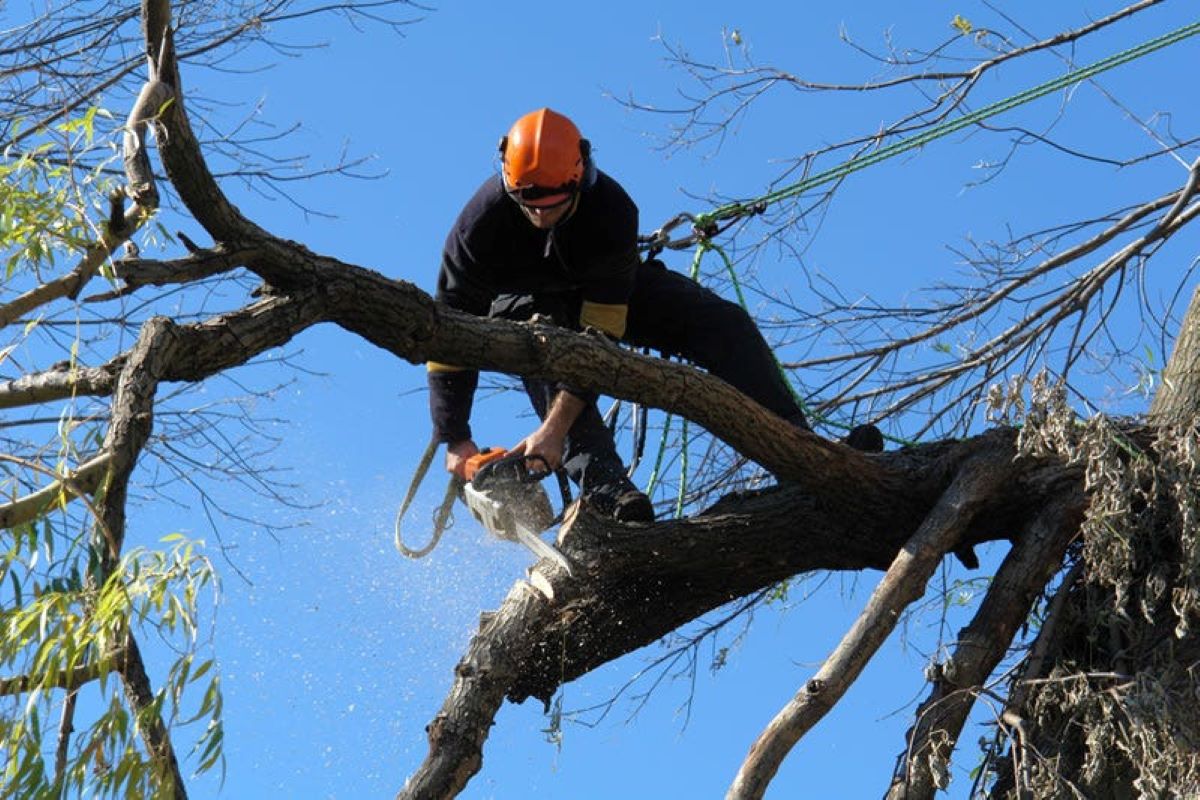
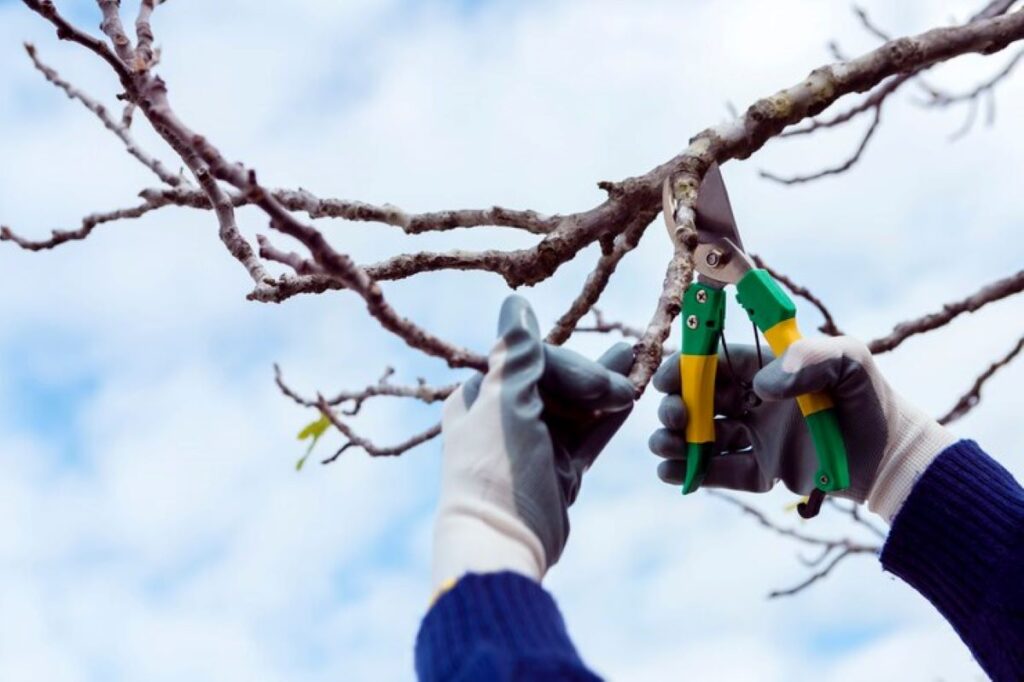
Tree pruning often requires specialized tools and equipment, such as pruning shears, chainsaws, and safety gear. These tools can be costly to purchase and maintain, and the cost of using them is typically factored into the overall pruning expenses.
Investing in high-quality equipment is essential for ensuring the safety of the arborist and the health of the tree. Properly maintained tools not only make the pruning process more efficient but also reduce the risk of damage to the tree. The cost of equipment reflects the commitment to providing professional and reliable tree pruning services.
Disposal Fees
After pruning, there will be debris, branches, and foliage that need to be properly disposed of. The cost of removing and disposing of the pruned materials can contribute to the overall tree pruning expenses. This can vary depending on local waste disposal regulations and the volume of debris generated.
Proper disposal of pruned materials is essential for maintaining a clean and safe environment. Arborists often partner with waste management companies to ensure that the debris is recycled or disposed of responsibly. The disposal fees cover the transportation and processing of the pruned materials, reflecting the commitment to environmental sustainability in tree care practices.
Factors Affecting Tree Pruning Costs
Various factors can influence the cost of tree pruning. It’s important to consider these factors to get a better understanding of the expected expenses and make necessary budgetary plans.
Tree pruning is a crucial aspect of tree maintenance that not only enhances the aesthetic appeal of your landscape but also promotes the overall health and longevity of your trees. Understanding the factors that impact tree pruning costs can help you make informed decisions and ensure proper care for your trees.
Size of the Tree
The size of the tree is a significant factor in determining the pruning costs. Larger trees often require more time, effort, and expertise to prune effectively. Consequently, the cost of pruning a mature, tall tree will likely be higher compared to a smaller or younger tree.
Moreover, the height and spread of the tree can also affect the complexity of the pruning job. Taller trees or those with dense canopies may require specialized equipment such as aerial lifts or cranes to access and prune effectively, adding to the overall cost of the service.
Tree’s Health Condition
The overall health condition of the tree can also affect pruning costs. If a tree is diseased, weakened, or infested by pests, it may require more extensive pruning to remove damaged or infected branches effectively. This additional work can contribute to higher pruning expenses.
Furthermore, addressing health issues such as fungal infections or pest infestations may require the expertise of certified arborists or tree care specialists, leading to an increase in pruning costs to ensure the tree’s health and vitality are restored.
Location and Accessibility
The location of a tree and its accessibility can influence the pruning costs. If a tree is located in a hard-to-reach area or has limited access due to nearby structures or landscaping, it may require specialized equipment or additional effort to complete the pruning job. These circumstances can result in higher costs.
In addition, trees situated near power lines, buildings, or other obstacles may require careful planning and precautionary measures to ensure the safety of the workers and surrounding property during the pruning process. Such considerations can impact the overall cost of tree pruning services to account for the added complexity and risk involved in the job.
How to Save on Tree Pruning Costs
While tree pruning is a necessary expense for tree care, there are ways to save money without compromising on the quality of the pruning job.
Seasonal Pruning
Scheduling tree pruning during the off-season or dormant period can often result in cost savings. Many tree care professionals offer discounted rates during these times, as they have fewer projects and are more flexible with their schedules. Additionally, tree pruning during the dormant season can be beneficial for the tree’s health, as it can reduce the risk of disease or insect infestation.
During the dormant season, trees enter a period of rest and growth slows down. This makes it an ideal time for pruning because the tree is less vulnerable to stress and damage. Pruning during this time also allows the tree to allocate its energy towards healing and recovering from the pruning cuts, promoting overall tree health.
Regular Maintenance
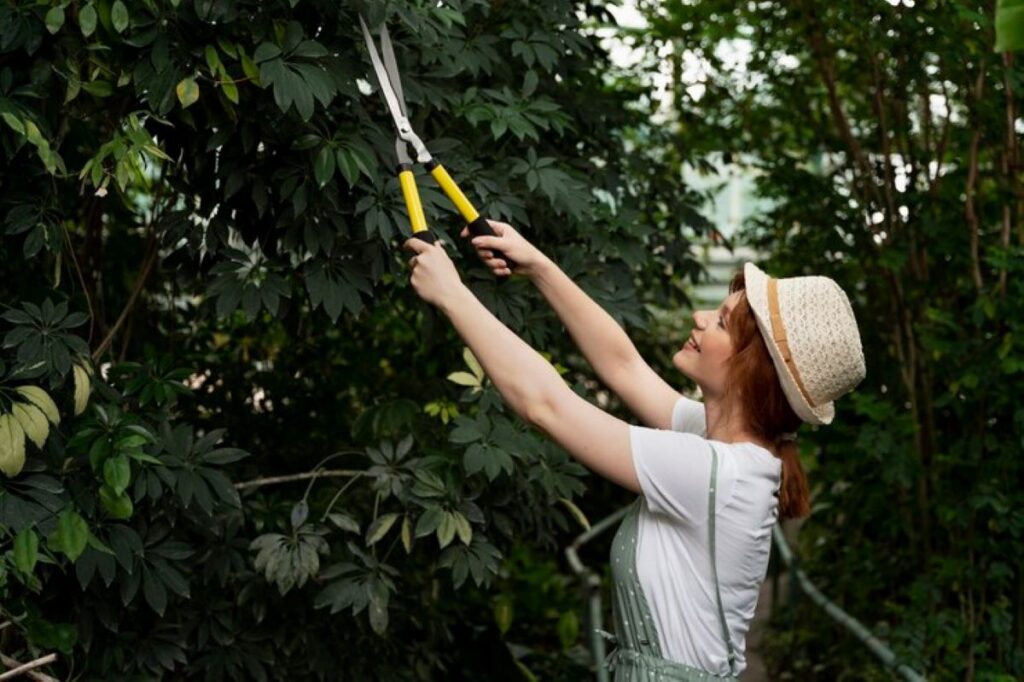
Regular maintenance and pruning of trees can help prevent extensive and costly pruning in the future. By regularly inspecting and addressing small issues, homeowners can avoid the need for significant pruning work and keep their trees in good health. Regular pruning also helps maintain a tree’s shape and structure, reducing the risk of branches becoming overgrown or imbalanced.
When it comes to regular maintenance, it’s important to understand the specific needs of each tree species. Different trees have different growth patterns and pruning requirements. For example, some trees may require more frequent pruning to maintain their desired shape, while others may need less frequent attention. By understanding the unique characteristics of your trees, you can develop a tailored maintenance plan that keeps them healthy and minimizes the need for costly pruning in the future.
Hiring Local Professionals
When it comes to tree pruning, hiring local professionals who are familiar with the specific tree species and local regulations can be a cost-effective choice. Local arborists often have a better understanding of the area’s tree care needs, potential challenges, and regulatory requirements, allowing them to provide accurate estimates and efficient service.
Local professionals are also more likely to have the necessary equipment and tools readily available, which can save both time and money. Additionally, they are familiar with the local climate and soil conditions, enabling them to provide tailored care that meets the unique needs of your trees. By hiring local professionals, you can ensure that your trees receive the best possible care while keeping your pruning costs under control.
In conclusion, understanding the various factors that affect tree pruning costs is vital for homeowners planning to prune their trees. By considering factors such as labor costs, equipment costs, disposal fees, tree size, health condition, and location accessibility, individuals can make informed decisions and budget accordingly. Additionally, adopting money-saving practices such as scheduling pruning during the off-season, regular tree maintenance, and hiring local professionals can help keep the overall tree pruning costs manageable. Remember, proper tree care is an investment that ensures the long-term health and visual appeal of your trees.
More to read: Top Tree Pruning Services Near Me: Ensuring Proper Care